Soft Washing vs Pressure House Washing: Prospect Guide
Choosing the right method for house washing in Prospect is about more than getting exterior walls looking clean. The cleaning method needs to suit the surface, remove the contamination effectively, and avoid damage to paint, mortar, timber, seals, and surrounding landscaping.
Soft washing and pressure washing both have a place in exterior maintenance, but they are not interchangeable. Soft washing relies mainly on cleaning solutions and low-pressure rinsing, while pressure washing relies more heavily on the mechanical force of water. Many properties benefit from a combination of both, with different methods used on walls, paths, driveways, and outdoor structures.
This guide explains the differences, where each method works best, and what Prospect property owners should ask before booking a cleaning service.
What Is Soft Washing?
Soft washing is a cleaning method that applies a suitable detergent or treatment at low pressure, allows it time to work, and then rinses away loosened contamination. It is commonly used to treat algae, mildew, and other organic growth on exterior surfaces.
The equipment varies. Some contractors use dedicated low-pressure pumps, while others use pressure-cleaning equipment fitted with appropriate nozzles and controls. The important distinction is how the surface is treated, not simply the machine being used.
Cleaning products also vary. Depending on the surface and contamination, a treatment may contain a sodium hypochlorite-based solution, surfactants, or another specialist cleaner. Product choice, dilution, application, and rinsing must follow label directions and account for nearby plants, metals, coatings, and drainage.
Low pressure does not mean risk-free. An unsuitable chemical or excessive dwell time can damage finishes even when the water pressure is gentle.
What Is Pressure House Washing?
Pressure washing uses pressurised water to dislodge dirt and surface contamination. Operators adjust the pressure, water flow, nozzle, distance, and technique to suit the material. Detergents may also be used, so pressure washing is https://rafaeleayd631.evergrovio.com/posts/high-pressure-washing-vs-soft-house-washing-the-difference not necessarily a chemical-free process.
It is often suitable for sound concrete, some paving, and other durable surfaces. However, the highest available pressure is rarely the best starting point. Excessive force can etch concrete, strip paint, damage mortar, and push water behind exterior cladding.
For house washing, a careful contractor usually uses much less pressure than they would on a suitable concrete driveway. The phrase “pressure house washing” can therefore describe several approaches. Ask what pressure and cleaning products will actually be used on your home.
Soft Washing vs Pressure Washing: The Main Differences
How Each Method Removes Contamination
Soft washing primarily uses chemical action to loosen dirt and treat biological growth. Adequate contact time matters, and the solution must not be allowed to dry where the product instructions prohibit it.
Pressure washing primarily uses water force to remove material from the surface. It works well for many forms of built-up grime, but water pressure alone may not adequately treat established biological growth. Increasing the pressure to compensate can damage the underlying material.
Which Surfaces They Suit
Soft washing is often the preferred starting point for painted walls, render, and many types of cladding, provided the cleaning solution is compatible with the finish. Controlled pressure washing is often appropriate for structurally sound, uncoated concrete and selected masonry surfaces.
Neither method should be selected by surface name alone. Painted brick needs different treatment from unpainted brick, while old, weathered concrete may be much more vulnerable than a newer, sound slab.
What Determines the Result
The outcome depends on the contamination, surface condition, product selection, and operator technique. Neither method guarantees removal of every mark. Rust, oil, irrigation staining, efflorescence, and paint oxidation may require separate treatments, and some staining can be permanent.
A useful quote distinguishes between removing dirt and growth, treating specific stains, and repairing deterioration. Cleaning cannot restore failed paint, replace missing mortar, or repair damaged render.
Which Method Is Best for Your Prospect Home?
Painted Walls and Render
Soft washing is generally a sensible option for sound painted walls and rendered finishes. High-pressure water can strip loose coatings, expose weak patches, or force moisture into cracks.
Before cleaning, check for blistering paint, hollow or loose render, cracks, and gaps around windows. These defects may need repair first. Older paint may also have a chalky surface known as oxidation. Ordinary washing does not necessarily remove oxidation evenly, so a test patch and realistic expectations are important.
Brickwork and Mortar
Brick can look tough while its mortar joints remain vulnerable. Older, soft, or deteriorating mortar can erode under concentrated water pressure. Painted, glazed, sealed, or unusually porous bricks may also require special care.
A contractor should assess both the brick and the joints before recommending a method. White salt deposits, known as efflorescence, require particular attention because they may indicate moisture movement rather than ordinary dirt.
Weatherboards and Lightweight Cladding
Low-pressure cleaning is usually the safer starting point for weatherboards and lightweight cladding systems. Water should not be directed upward into overlaps, vents, or joints.
Manufacturer instructions take priority over generic advice. Damaged panels, exposed edges, failed sealants, and vulnerable electrical fittings should be identified before washing begins.
Older or Suspect Building Materials
If older exterior sheeting may contain asbestos, do not pressure wash it. High-pressure cleaning can release hazardous fibres and contaminate surrounding areas. Arrange an assessment and follow the applicable asbestos requirements before undertaking work.
Similarly, deteriorating coatings that may contain lead require specialist assessment. Avoid any process that could spread contaminated paint fragments or wash water around the property.
How Other Exterior Cleaning Services Differ
Driveway Cleaning
Driveway Cleaning often uses controlled pressure and a surface cleaner to produce a more consistent finish across suitable concrete. Oil, rust, and tyre marks may need separate pre-treatment, and deeply absorbed stains may remain visible.
Decorative concrete, exposed aggregate, sealed surfaces, and block paving need individual assessment. Excessive pressure can remove jointing sand, damage sealers, or expose aggregate. Ask whether re-sanding or resealing is necessary and whether it is included in the quote.
Roof Cleaning
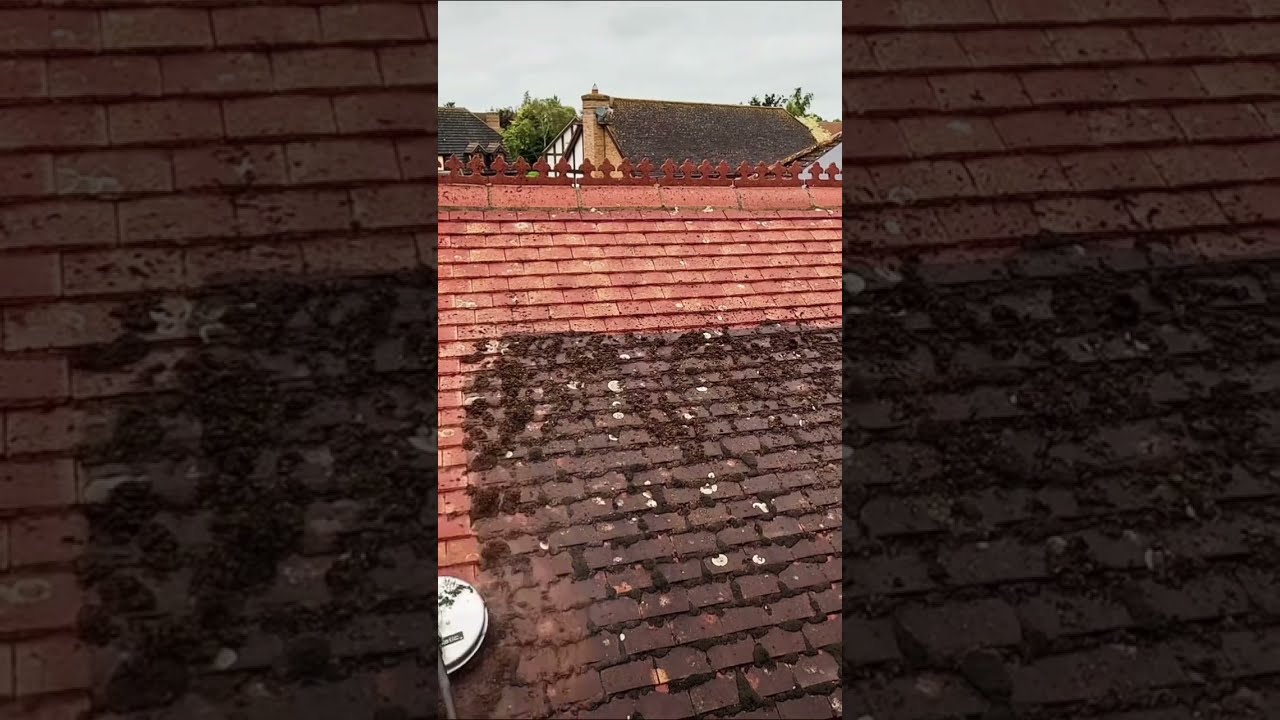
Roof Cleaning requires an approach suited to the roof material, coating, condition, and manufacturer guidance. A wall-cleaning method should not automatically be applied to a roof.
High-pressure cleaning can damage some roof surfaces, disturb protective finishes, and force water beneath overlaps. Chemical treatments can also affect metals, gutters, plants, and rainwater systems if used incorrectly. Safe access and fall protection are essential; roof cleaning is not a suitable DIY task simply because the equipment is available to hire.
Deck Cleaning
Deck Cleaning depends on whether the deck is timber, composite, painted, stained, or sealed. Excessive pressure can raise timber fibres, leave wand marks, or damage coatings.
Suitable cleaners, gentle agitation, and controlled rinsing are often preferable to aggressive blasting. If refinishing is planned, the deck must dry sufficiently before a coating is applied, following the coating manufacturer’s requirements.
Gutter Cleaning
Gutter Cleaning usually means removing leaves and debris from inside gutters and checking that outlets and downpipes drain properly. Washing the visible outer gutter face is a separate task.
Confirm which service is included. Clean exterior walls will not resolve overflowing gutters, and clearing gutters will not repair leaks or incorrect falls.
Solar Panel Cleaning
Solar Panel Cleaning requires methods consistent with the panel manufacturer’s instructions. High pressure, abrasive tools, unsuitable chemicals, and cleaning hot panels can create damage risks.
Do not assume a house washing solution is safe for panels, electrical connections, or mounting components. Ask how panels will be protected during nearby cleaning and whether specialist cleaning is actually necessary.
Commercial Pressure Cleaning
Commercial Pressure Cleaning involves additional planning around pedestrians, vehicles, business operations, and potentially contaminated runoff. Shopfronts, shared paths, loading areas, and car parks may require barriers, staged access, and wastewater recovery.
The correct method depends on both the surface and the material being removed. Grease, food residues, and general dirt can require different treatments and disposal arrangements.
Protecting Gardens, Drainage, and Nearby Property
Responsible exterior cleaning includes managing where the cleaning solution and rinse water go. Stormwater drains should not be treated as an automatic disposal route for detergent, paint particles, oil, or other contaminants.
For a Prospect property, the contractor should check the applicable council and water authority requirements rather than assume the same rules apply everywhere. Runoff may need to be diverted, contained, or recovered, depending on its contents and local requirements.
Plant protection may include pre-wetting, controlled application, suitable temporary shielding, and thorough rinsing. Coverings need care because trapped heat can also harm plants. Nearby vehicles, exposed metals, outdoor furniture, and neighbouring properties should be considered when planning for spray drift.
If gutters feed a rainwater tank, ask how the tank will be protected from cleaning chemicals. Any isolation, flushing, and reconnection process should suit the system and the cleaning products used.
Questions to Ask Before Booking House Washing in Prospect
A clear, written scope is more useful than a promise to make everything look “like new.” Before accepting a quote, ask:
- Which method will you use on each surface? Walls, paving, decking, and roofs may require different treatments.
- Will you inspect and test first? A discreet test patch helps reveal coating sensitivity and likely results.
- What stains are excluded? Confirm whether rust, oil, oxidation, and mineral deposits need additional work.
- How will you protect the property? Ask about plants, electrical fittings, windows, drainage, and rainwater tanks.
- What insurance applies? Confirm appropriate cover for the work, including any roof access or chemical treatment.
- What is included in the price? Clarify access costs, wastewater handling, gutter interiors, and optional treatments.
How Often Should You Wash Your Home?
There is no universal cleaning interval. Shaded walls, nearby vegetation, persistent moisture, traffic dust, and surface texture all affect how quickly contamination builds up.
An annual inspection is a practical starting point, but cleaning should be based on condition rather than a rigid schedule. Look for green or dark growth, dirt accumulation, slippery paths, and drainage problems. Address leaking gutters, overhanging vegetation, and irrigation hitting walls where practical.
Neither soft washing nor pressure washing permanently prevents regrowth. Claims about exact results lasting a fixed number of years should be treated cautiously unless the conditions and limitations are clearly explained.
Preparing for Your Cleaning Appointment
Before the contractor arrives, close windows, move portable items away from work areas, and keep pets and children clear. Identify leaking window seals, loose paint, damaged cladding, outdoor power points, and any areas of concern.
Discuss fragile plants, fishponds, rainwater tanks, solar panels, and recently painted surfaces in advance. Fresh coatings need adequate curing time, so check the paint manufacturer’s guidance rather than relying on a general waiting period.
After cleaning, inspect the work with the contractor where possible. Ask which marks remain, whether they need specialist treatment, and when outdoor areas are safe to use again.
The Best Choice Is the Method That Suits the Surface
For many Prospect homes, soft washing is a suitable approach for exterior walls, while controlled pressure cleaning works well on durable ground-level surfaces. The best result often comes from combining methods rather than choosing one for the entire property.
Prioritise surface assessment, appropriate products, careful technique, and runoff management over maximum pressure or the lowest quote. A contractor who explains those details clearly is better placed to deliver effective house washing without creating avoidable damage.
Prospect Pressure Cleaning
Unit 2/77 Prospect Rd, Prospect SA 5082
ph. (08) 7282 0629